
DTI Technology vs. Traditional Shop Workflows
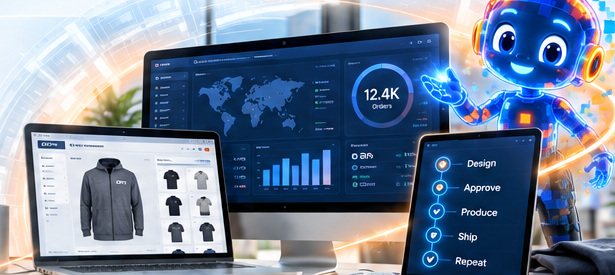
DTI Technology vs. Traditional Shop Workflows explains a neutral comparison between connected DTI workflows and more manual, disconnected order handling. It is written for business buyers evaluating how process design affects communication and repeatability. DTI’s technology pages are meant to show how the customer journey and internal workflow connect without turning the site into a list of software features.
What this page answers
Useful, search-focused guidance for the actual customer decision.
What DTI checks
Product, artwork, production and program considerations tied to the real order.

Related Discovery step
DTI Technology
Next customer action
Continue to Deliver + Reorder to see how the connected workflow supports completion and repeat programs.
How this topic fits the project
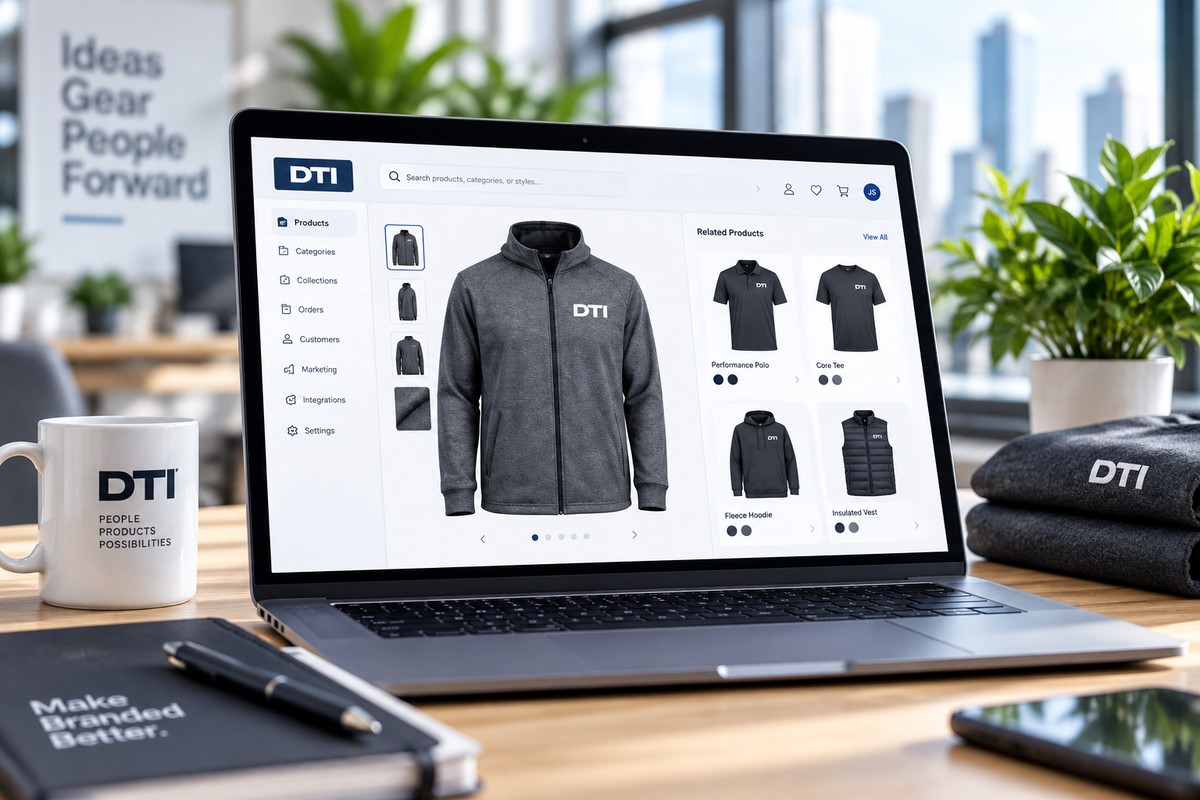
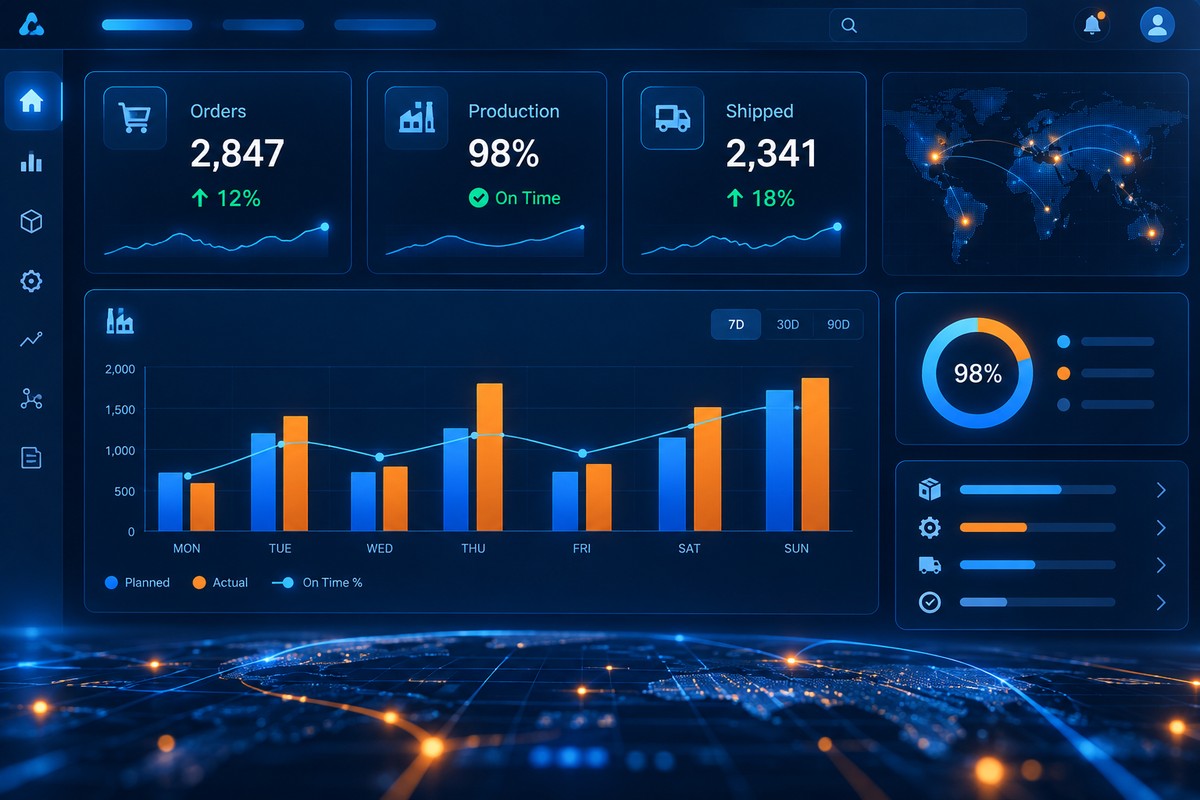
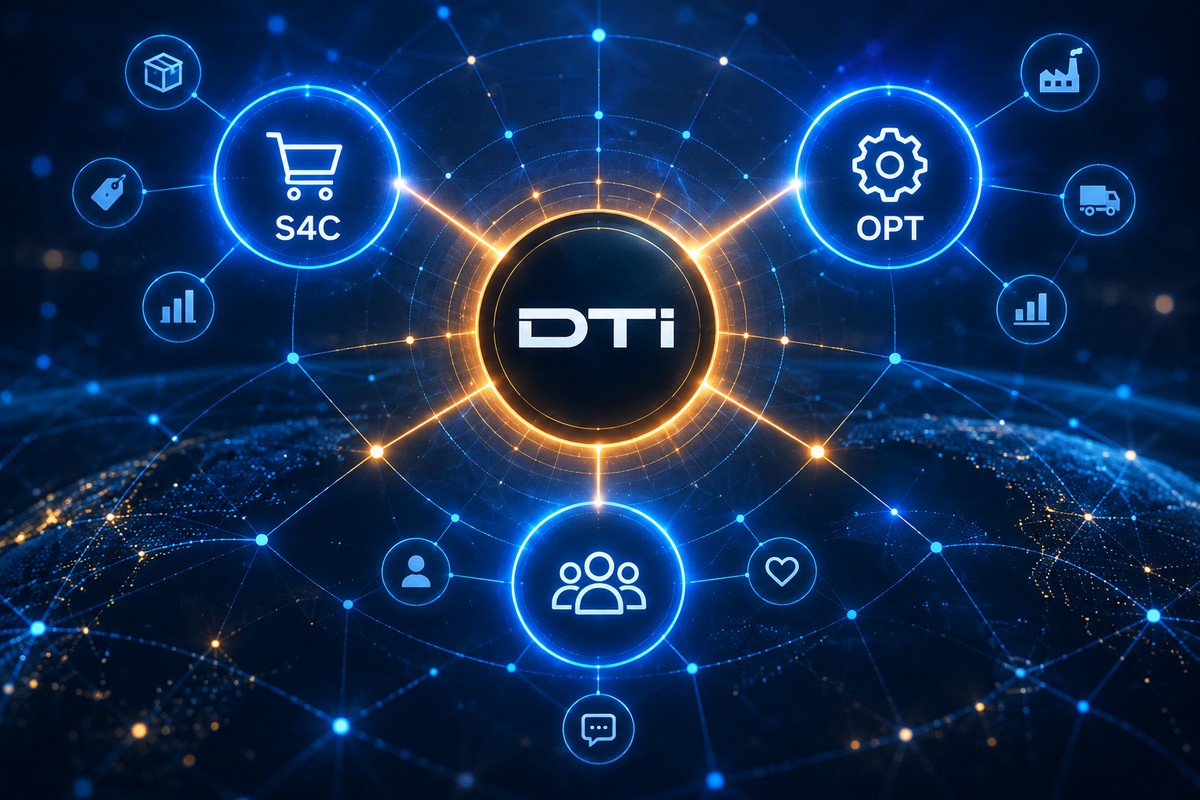
The practical topics are information handoffs, order visibility, customer/store experience, production coordination and repeat ordering. S4C is the customer-facing product, ordering and store experience; OPT supports DTI’s internal order and production workflows; and Digi is the visual Discovery Path guide in this release. These roles are intentionally separated so the public site does not imply capabilities that have not been launched.
What customers should consider
Connected information can reduce repeated handoffs: product choices, order details, artwork/proof information, status and repeat-order references are more useful when they remain associated with the same job. The value for the customer is clearer continuity, while DTI retains the operational details needed to move the order forward.
How DTI carries the decision forward
Technology does not replace product judgment or production review. A connected workflow still has to confirm the actual garment, artwork, decoration method and fulfillment requirements. These pages describe how DTI supports that process; they do not promise that every decision is automatic.
How to use this page when planning a real order
The customer-facing test for technology is simple: does it help keep the right information attached to the order? For business buyers evaluating how process design affects communication and repeatability, that means fewer disconnected references to products, artwork, order details and status. DTI still relies on production review, but the systems can support continuity around information handoffs, order visibility, customer/store experience, production coordination and repeat ordering so the project is easier to understand and repeat.
Frequently asked questions
How does a connected DTI workflow differ from a fragmented shop workflow?
This page explains a neutral comparison between connected DTI workflows and more manual, disconnected order handling and how that topic fits the DTI Discovery Path.
Does DTI technology automatically make every production decision?
No. Technology supports information flow and workflow visibility, while garment, artwork and production choices still require the appropriate review.
Is Digi acting as an AI assistant on these pages?
No. In this release, Digi is the visual Discovery Path guide. The public copy must not imply that future AI or customer-assistance functions are active.
Next step
Continue to Deliver + Reorder to see how the connected workflow supports completion and repeat programs.