
Choosing the Right Blank Garment
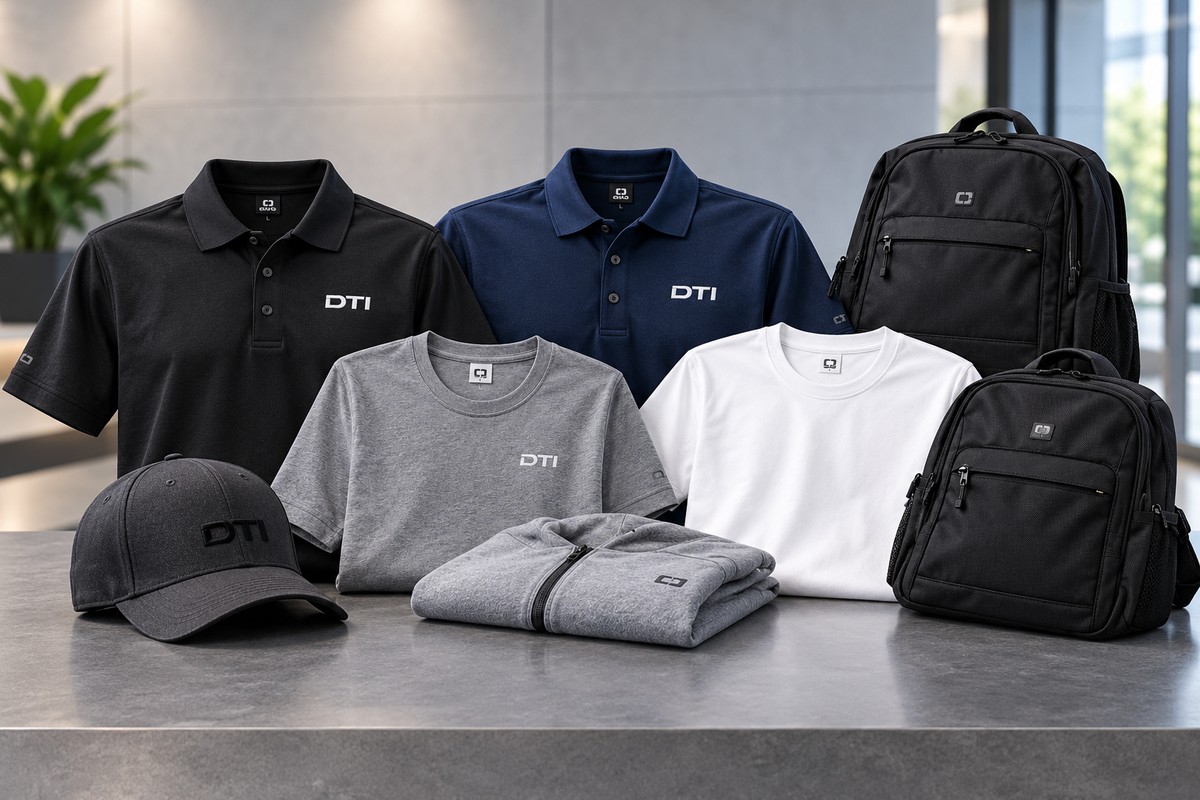
Choosing the Right Blank Garment explains how to choose an undecorated garment that supports the artwork, intended use and program goals. It is written for customers choosing apparel before embroidery, screen printing or DTF decoration. The purpose of this stage is not simply to find a product online; it is to confirm that the chosen item can realistically support the sizes, colors, timing and decoration requirements of the order.
What this page answers
Useful, search-focused guidance for the actual customer decision.
What DTI checks
Product, artwork, production and program considerations tied to the real order.
Related Discovery step
Source + Confirm
Next customer action
Continue to Select Materials once the garment choice and availability are practical.
How this topic fits the project
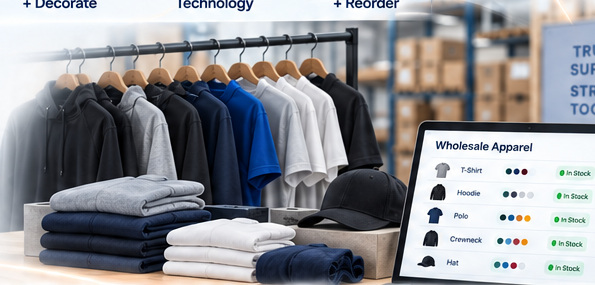
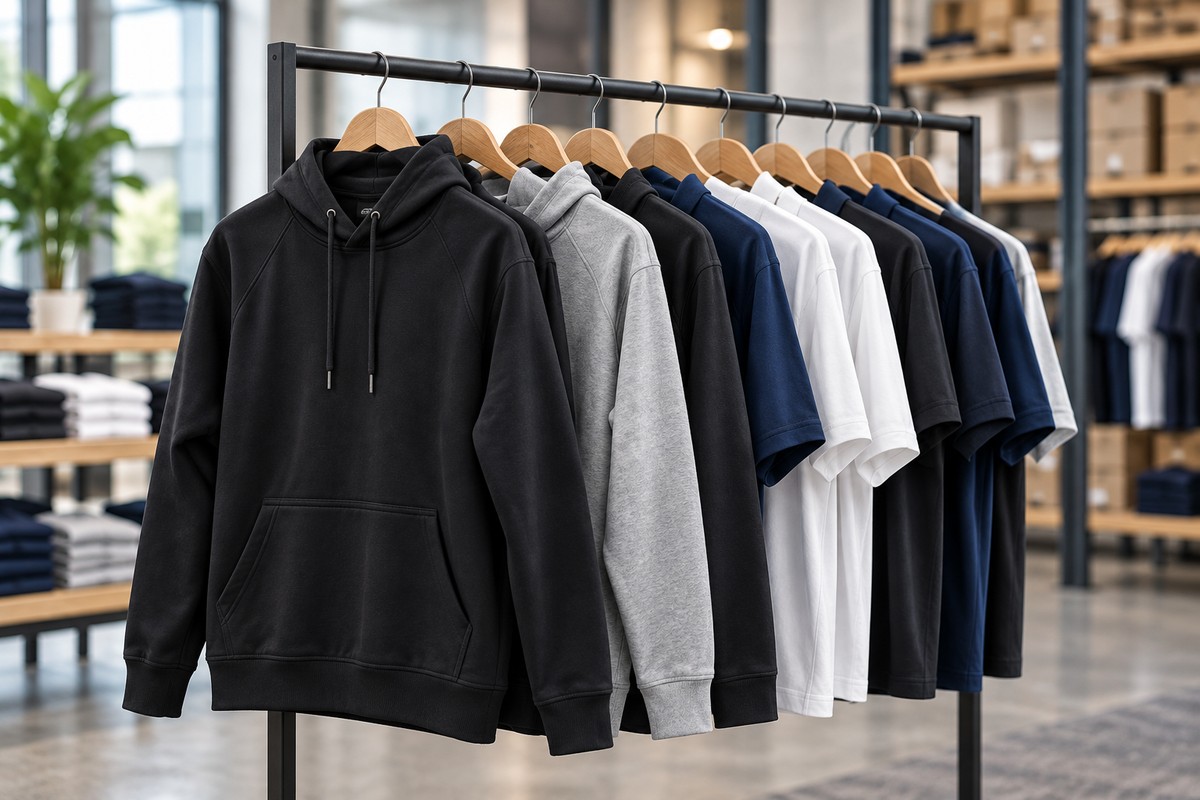
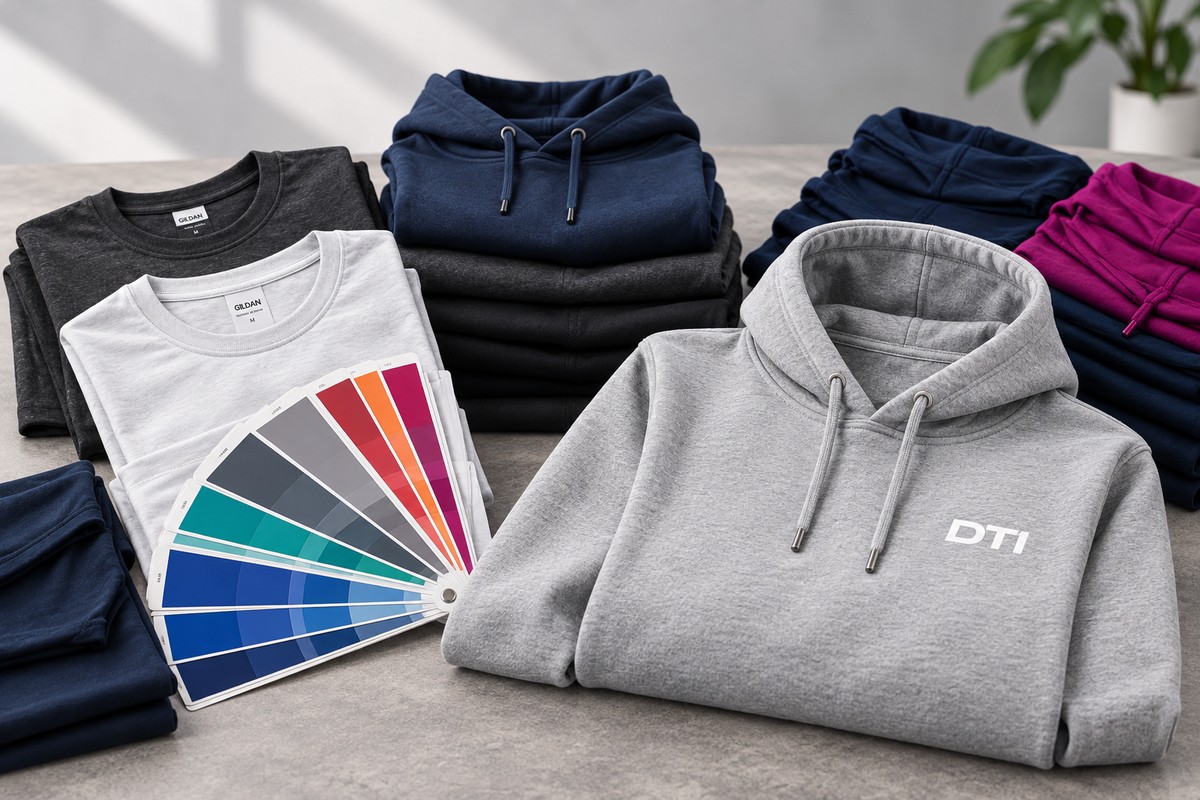
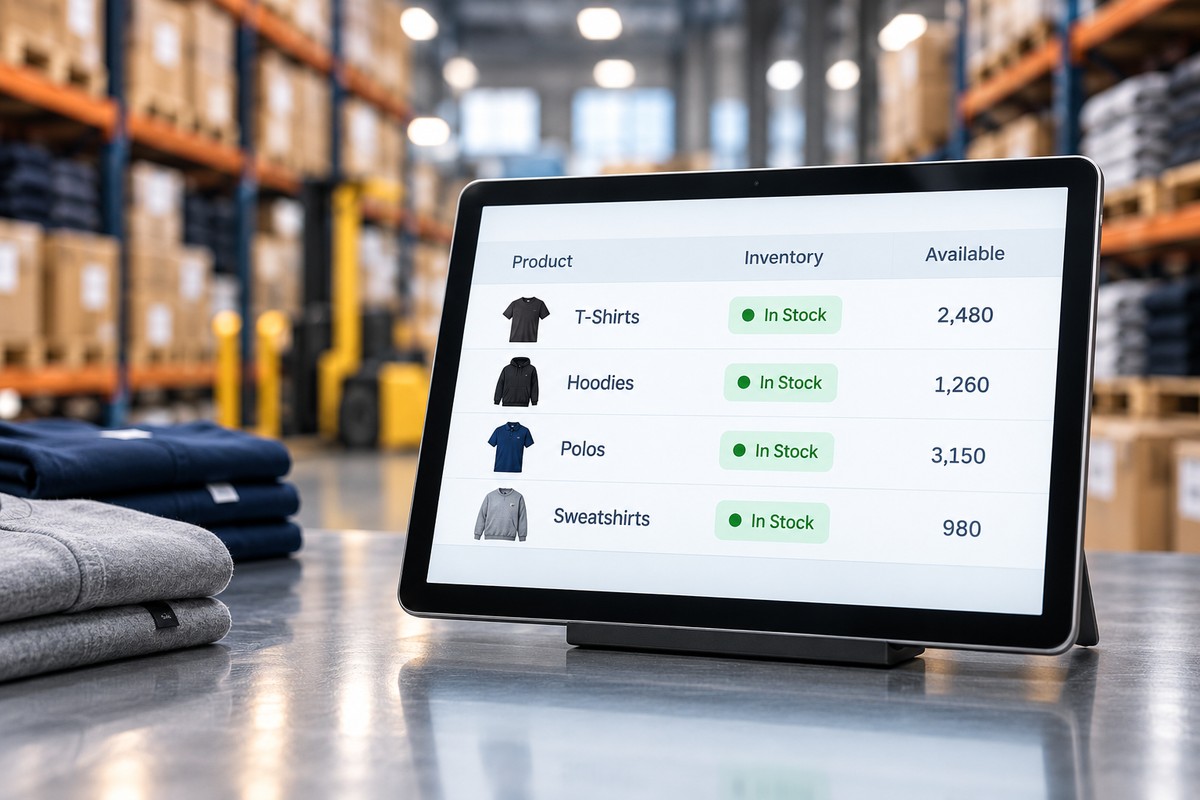
DTI’s sourcing workflow uses established wholesale apparel channels and product data to compare practical options. The review centers on fabric, garment weight, fit, intended use, decoration method, color, budget and future reorder needs. Supplier inventory changes over time, so availability is a checkpoint in the order process, not a permanent promise made by an SEO page.
What customers should consider
When the first choice is not practical, the safest substitution is one the customer understands and approves. DTI can compare the alternate garment’s purpose, material, fit, color and decoration suitability so the program does not drift simply because inventory changed. A substitute should solve the same need, not just be the first item that happens to be in stock.
How DTI carries the decision forward
Once the product is confirmed, the Discovery Path moves into Select Materials and Create + Decorate. That sequence matters because fabric and garment construction can change how embroidery, screen printing or transfers should be planned. Sourcing therefore protects both the schedule and the final decorated result.
How to use this page when planning a real order
Before asking DTI to confirm a product, it helps to define the non-negotiables and the flexible points. For customers choosing apparel before embroidery, screen printing or DTF decoration, the non-negotiables might be a required color, size coverage, garment function or deadline; flexible points might include a comparable brand or fabric weight. DTI can then evaluate fabric, garment weight, fit, intended use, decoration method, color, budget and future reorder needs with a clearer understanding of what can change and what must remain consistent.
Frequently asked questions
Does DTI guarantee supplier inventory shown on an informational page?
No. Inventory can change by supplier, style, color and size. DTI confirms practical availability during the order process.
Can DTI suggest a substitute?
Yes, when a requested item is unavailable DTI can discuss a comparable option. The customer should know about and approve a material substitution rather than having one made silently.
Why confirm the garment before decoration?
Fabric, construction, pockets, seams and garment color can affect decoration choices. Confirming the product first reduces avoidable production conflicts later.
Next step
Continue to Select Materials once the garment choice and availability are practical.