
Screen Printing Ink + Garment Compatibility
Screen Printing Ink + Garment Compatibility focuses on why the garment and ink system need to be considered together before production. It is intended for customers comparing tees, fleece, performance fabrics and other garments for screen printing. DTI’s material-selection stage connects the garment to the decoration method so thread, ink, fabric and finish decisions support the artwork and intended use.
What this page answers
Useful, search-focused guidance for the actual customer decision.
What DTI checks
Product, artwork, production and program considerations tied to the real order.
Related Discovery step
Select Materials
Next customer action
Continue to Create + Decorate to connect the material decision to the production method.
How this topic fits the project
The relevant production questions include fabric content, dye migration risk, garment color, opacity, cure needs, artwork detail and finish expectations. A material that works well on one garment or design is not automatically the best choice for another. DTI therefore treats material selection as part of production planning rather than as a generic specification copied across every job.
What customers should consider
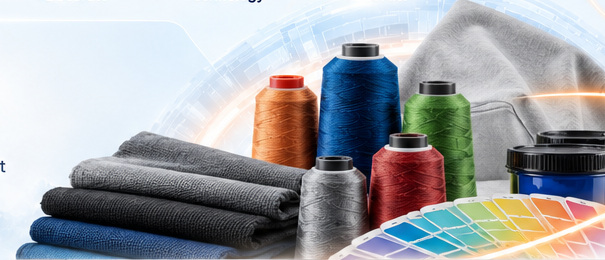
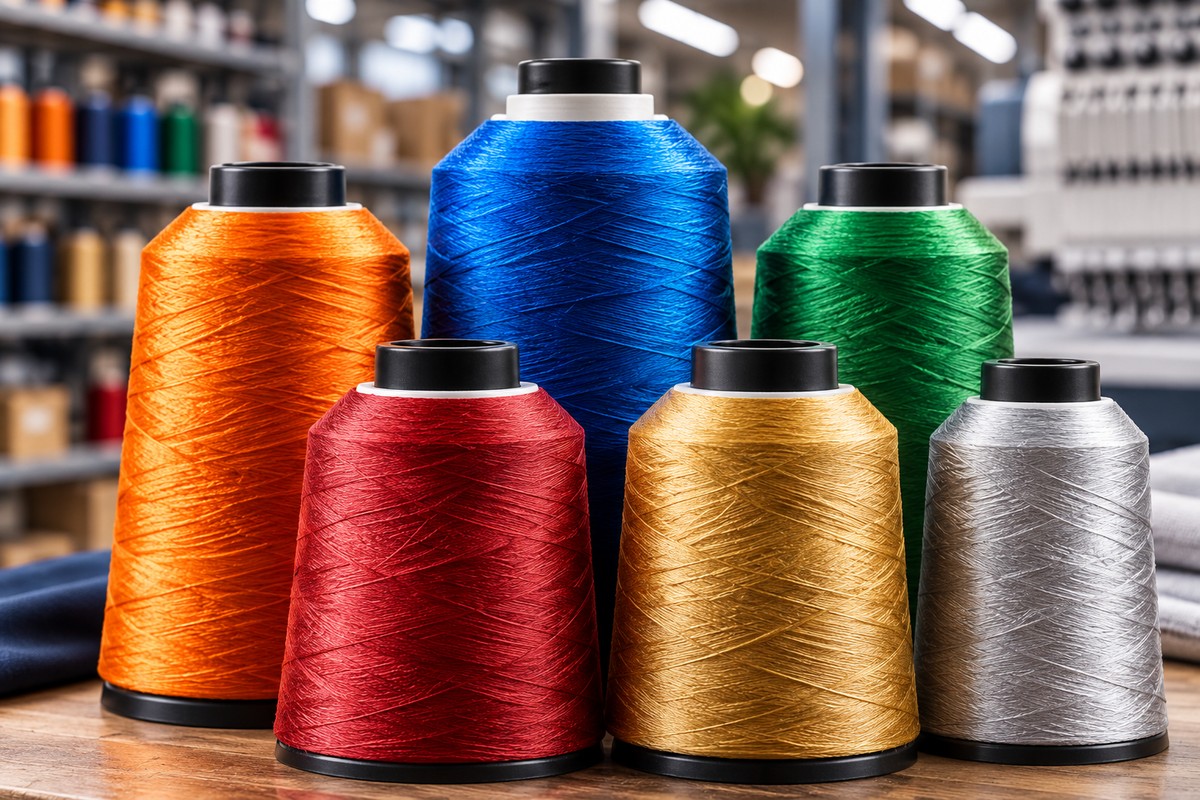
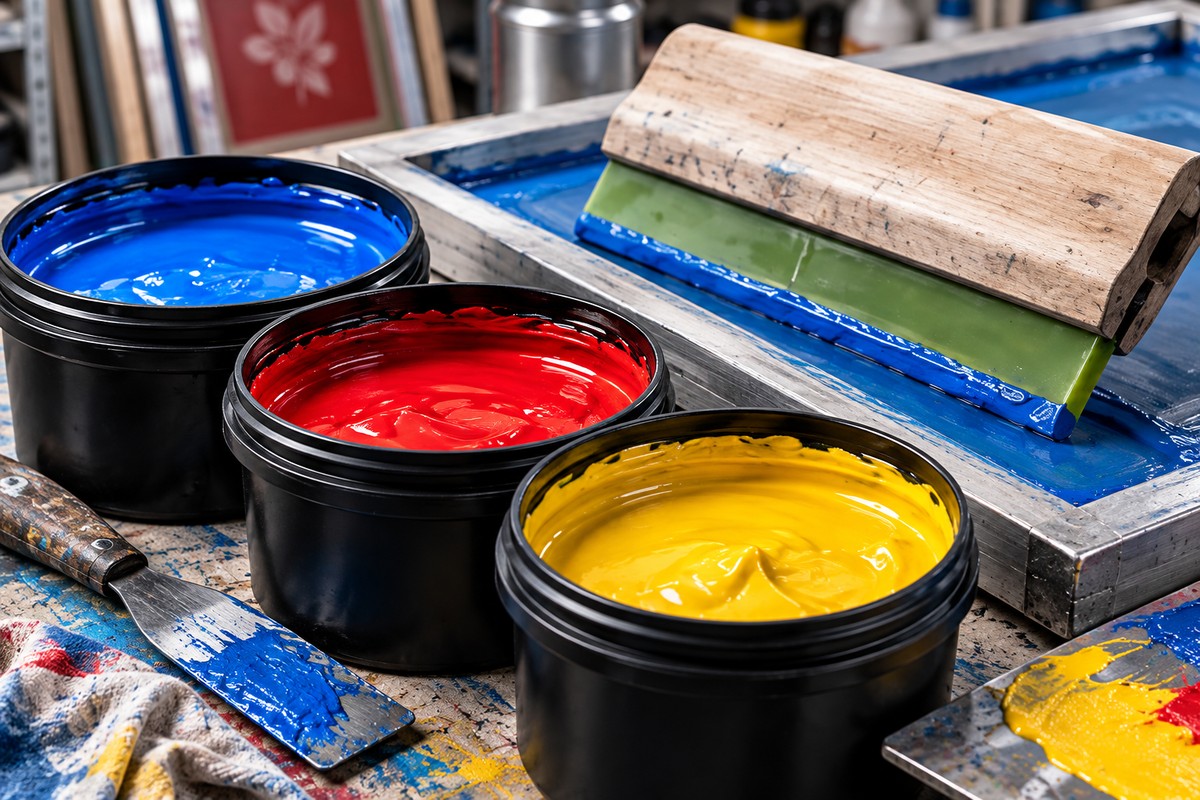
For embroidery, thread color and stitch behavior have to work with the fabric, logo detail and placement. For screen printing, ink and garment compatibility matter because fabric type and garment color influence the production approach. DTF and transfer applications also depend on the garment and the intended result.
How DTI carries the decision forward
Customers do not need to become production technicians to make a good decision. The Discovery Path explains what matters, while DTI confirms the production combination for the actual item and artwork. This page is educational: final material choices are tied to the real order rather than promised independently of the garment.
How to use this page when planning a real order
For approval, customers should focus on the visible goal rather than trying to specify a production formula. Describe the desired colors, level of detail, feel and intended use, then let the actual garment guide the production decision. That keeps fabric content, dye migration risk, garment color, opacity, cure needs, artwork detail and finish expectations connected to the real piece being decorated and avoids treating a thread or ink name as a guarantee of the finished result.
Frequently asked questions
Why does ink and garment compatibility matter in screen printing?
Because the decorated result depends on the relationship between the artwork, garment and production material. DTI reviews factors such as fabric content, dye migration risk, garment color, opacity, cure needs, artwork detail and finish expectations before finalizing production.
Can the same material be used on every garment?
Not automatically. Fabric, garment color, construction and the decoration method can change what is appropriate.
Do I need to choose the exact production material myself?
No. Customers can communicate the desired look, colors and use. DTI then confirms the production material and method that fit the approved garment and artwork.
Next step
Continue to Create + Decorate to connect the material decision to the production method.